
Film Wedding Photographer is a Scam Luxury Add-On
Don't Get Finessed Into Paying $700 for Two Miserable Rolls of 35mm Film and Why Real Film Wedding Photographers Don't Need Digital Backups
If you've been planning your wedding for a while, or just started to, you have no doubt come across film wedding photographer this, film wedding photography that, analog aesthetics, 35mm film pictures, disposable cameras at weddings — even why you need to hire a film wedding photographer for your wedding in a number of TikTok slop videos, Instagram ads, or from the photographer you interviewed who aggressively finessed you into buying two rolls of film for $700, disguised as film photography coverage to "fully" tell your love story. Or worse, you were sold so-called film wedding photography but got a handful of "aesthetic" pictures that look like they were taken on a disposable camera and of course, paid an extra $700 for them.
And I wish I could tell you how we got here. I've been a wedding photographer for a long ass time, and I have photograph my client's entire wedding exclusively on real Kodak 35mm film since day one. So I've seen wedding trends come and go faster than McDonald's discontinues the Strawberry Pie and the McRib. And honestly, this film photography aesthetic aggressively shoved down everyone's throats on TikTok lately, really does feel like it came out of nowhere. But I'm not here to talk about film wedding photography history. I'm here to expose yet another once-standard service now being peddled as a luxury premium add-on, and how you, as a client, can save yourself from yet another wedding tax.
Film Wedding Photography Was Once Standard Coverage
Okay, I lied — I will talk about film wedding photography history, hee-hee-hee. So feel free to skip ahead to the modern cost of film wedding photography if you hate history. So it wasn't that long ago when entire weddings were captured only on film as standard coverage. And if I had to put a date on it, I'd say some of the last weddings photographed entirely on film were around 2005, about the time I graduated high school. It was at this time fancy digital cameras were starting to become affordable enough for working pros to offer mostly digital coverage.
And most wedding photographers went fully digital there after, until an unexpected film revival around 2012 to 2014. Film was all of a sudden cool and hip again, and it seemed like it was here to stay. But like the McRib, around 2015 film wedding photography became a quiet niche again thanks to fancy mirrorless digital cameras objectively surpassing film in resolution, convenience, and overall consistency.
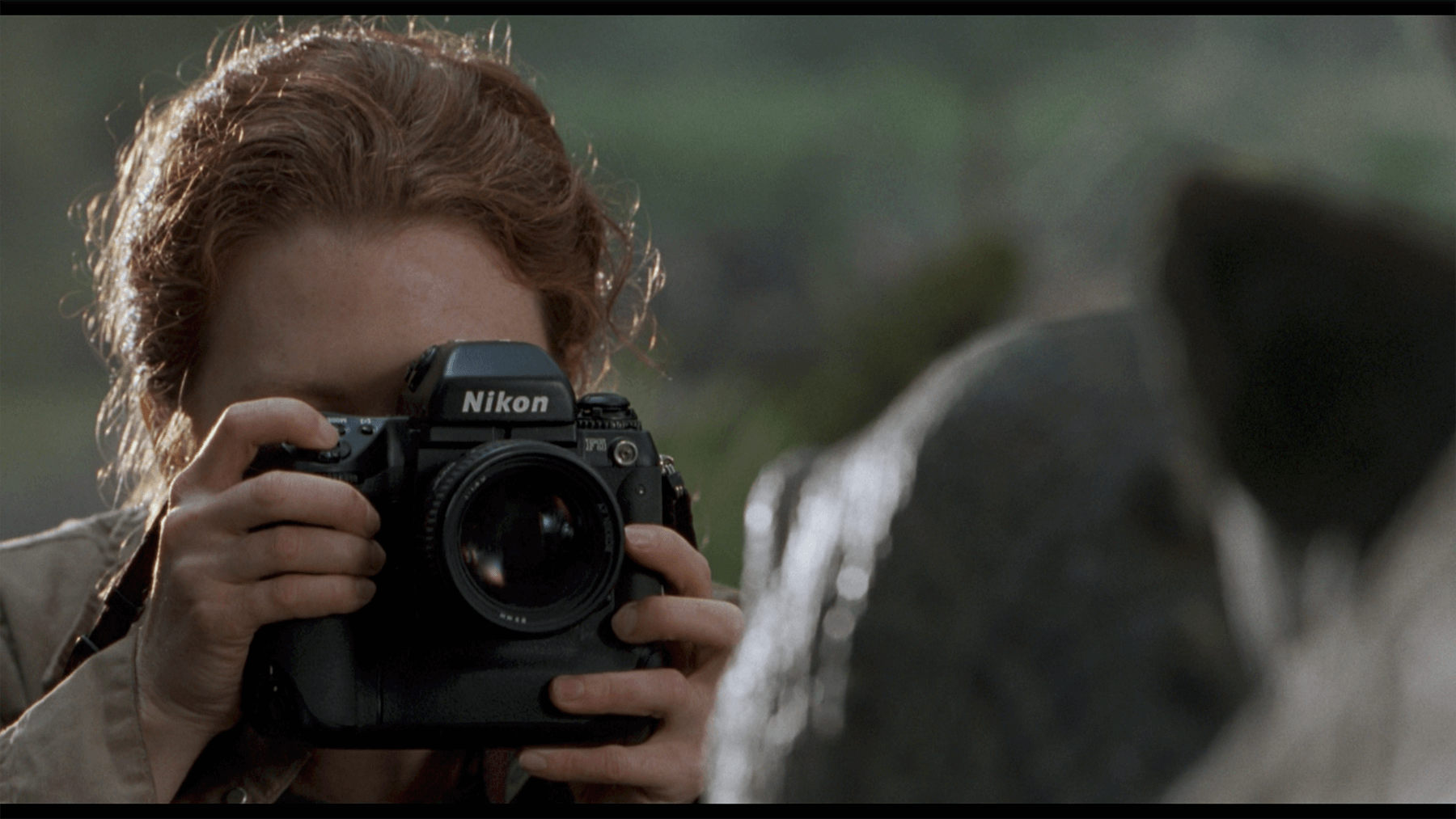
Fast forward to the Corona Chan era in 2020, and it seemed like film was finally done for. Nikon officially discontinued of the Nikon F6, the last professional film camera (not counting the reissued Leica M6). Fujifilm, after a century of manufacturing film, officially 86'd its entire film portfolio, with only the Instax brand continuing at scale. And with volatile global trade, Kodak — the last major color film manufacturer — struggled with supply chains, causing volatility in both available stock and prices. So by all means, it seemed like the days of film photography for the average consumer were numbered. And then, out of nowhere…









A simple guide for planning a civil ceremony wedding in Beverly Hills.