
Wedding Album Price is a Scam and Not Worth It
Why Professional Heirloom Wedding Albums are a Scam plus the Best Alternative to the Expensive 10x10 Wedding Album
Your wedding has come and gone. You got same-day sneak peeks, got tagged in a cringy TikTok dance, and were delivered an online gallery with 5,000 pictures — only to now wonder why your photographer is pushing a $5,500 wedding album, after paying them $10,000 just to show up in the first place. Or maybe you were strong-armed into the most expensive package, which "includes" said heirloom wedding album. And who can blame you!? You just spent a year or two being sold this, add-on now, upgrade that — every single time you had a quick simple question about your wedding napkins.
So now you're lurking on the internet, asking expert keyboard warriors why wedding albums are so expensive, what the average cost of a wedding album is — and whether they're worth the money — after seeing the starting price of an heirloom wedding album cost more than your first car's down payment. Well, I'm here to tell you, my anonymous internet friend: you're being finessed my guy. Because the industry standard is not about your legacy; it's about a comical 1,000% markup wrapped in sentimental marketing. And yes, it's wild that you're still being sold something months after the wedding.
Why the Heirloom Wedding Album From Your Photographer is Not Worth the Money
While I support anyone who do what they gotta do to feed they kids, I don't support those who exploit emotionally vulnerable brides-to-be who are caught up in the excitement of wedding planning, or newlyweds riding the post-emotional high of the wedding. In other words, I'm against the very same people who preach about your love story, to then charge you thousands of dollars for something you could easily get from Temu for fifty bucks.
Now, you're probably wondering why I have such a disdain for wedding albums in the first place. And to be clear, I'm not against the wedding album — I'm specifically talking about the modern, high-end digital, press-printed, lay-flat, flush-mount albums that get marketed as so-called heirloom pieces.
And long before I was a renowned wedding photographer in L.A. (according to my grandma), I worked as a lab technician (a fancy title for a dead-end, minimum wage job) at a number of photo labs and album makers in the Los Angeles area for over ten years starting at Ritz Camera in 2005. And in all those years, never not once, was I ever convinced to sell any of these albums to my own clients. After seeing five to ten of them come back every single day for repair or a straight-up reprint because the glue dried, the pages fell off, water damage, or worse, the entire block of pages fell off the cover.
I even worked at Cypress Albums in Glendale, CA, which, if you ask anyone who's been in this industry long enough, will tell you it was THE premier option for handmade heirloom wedding albums from the late 2000s to the early 2010s. I then worked for a competitor right up the street after it closed, Saro's Studio, a well-respected photography and photo lab in the Armenian community, which has also closed. Either way, both labs had the same issues, add the fact that most wedding photographers buy their digital albums for $50 to $250, to then turn around and sell them to clients for $4,500 and up, telling you it's an investment in your history. But I call it what it really is: a predatory upsell extortion. So if you want to honor your love story, you don't do it by handing a photographer a 10x profit margin on a book that costs less than a year of Netflix to make. You do it by simply doing what has always been done, ordering plain-Jane silver halide prints from your local photo lab.
Prints are the Best Alternative to Expensive 10x10 Wedding Albums
Like a mechanic who says don't buy this car because it's always in the shop, just because I had a bad experience with these albums over a span of ten years, does not mean YOUR $5,500 heirloom wedding album will rip, tear, or fall apart in a year or two. Which funny enough, is usually the reason why people end up putting it away never to be seen again, for fear of it getting damaged by sticky baby fingers covered in chocolate. Memories should exist in physical space, not locked behind curated consumption experiences.
That's why I'm of the opinion that wedding and family pictures should be printed, framed, and hung on a wall — seen by friends and family each time you welcome them into your home. Because wedding pictures shouldn't be a pay-per-view event where you force people to sit down and go through a fragile album. And I get it — having your entire wedding distilled into twenty-something pages is convenient, especially when you're handed a massive 5,000-picture online gallery.
Which first of all, why are you getting so many images to begin with? A rant for another time — but I understand why people default to albums when they're handed thousands of nearly identical pictures. The album becomes less of a luxury add-on and more of a way to make sense of the excess. But the real question is: why is excess the default delivery model in the first place?
"Okay David! I get it! Tell me WHY prints are better!"
Well, for one, prints are super cheap these days. Ok I'm lying, not as cheap as they were back in the day, but way cheaper than five thousand dollars I can tell you that. Also, prints are extremely versatile. You can put them in little silver frames, hang 'em, place them on a family picture table, slip them into small albums, scrapbooks, and send some to your friends and family... all for a fraction of the cost of a flush-mount album. Prints are a more honest way of living with memories in a system that overproduces images and monetizes curation.
Prints never go out of fashion the way the "timeless" 20lb acrylic cover with leather spine albums have. Remember those!? And the best part!? If one of your prints gets damaged, it cost nothing more than a Starbucks to replace them. Either way, the choice is yours to make on what to do with your wedding pictures, just don't fall for the sleazy, used-car-salesman FOMO scare tactics when presented with an hour-long presentation on why you should spend yet another five grand on a wedding album. The exact moment where people start to feel like they're being finessed.
And not because anyone is holding a gun to your head, but because the pricing shows up after the emotional investment has been made. You've seen the photos, you've picked your favorites, and now the only way to "complete" your story is to pay more to keep what you've already mentally accepted as yours. That's where the pressure comes from — not fear, but timing, attachment, and fancy packaging.
Everyone You Know Has Prints
As the old saying goes, if it ain't broke, don't fix it. And when it comes to the once-standard, boring, plain-Jane prints of decades past, they have — despite society forgetting about them until someone dies, a house burns down, or someone is simply curious about their family's history — truly have stood the test of time, without ever needing the now overused "timeless" label everyone throws around when peddling a $5,000 cardboard sandwich of inkjet paper and craft glue they call an heirloom wedding album.
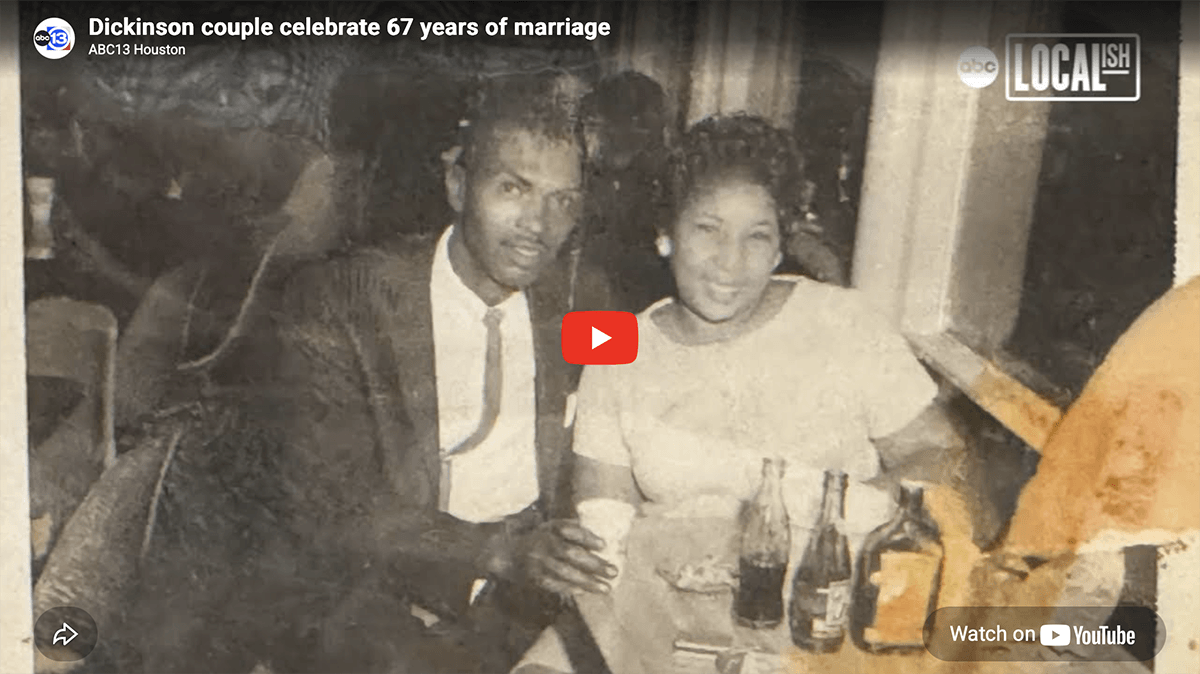
And you don't need me to tell you that almost everyone you know has a box of prints somewhere in a closet, framed photos of long-gone relatives hanging on a wall, or thirty-year-old albums filled with pictures of themselves as kids… but how many people do you know — and can count on two hands — who have that $5,000 flush-mount album on hand? Look at the video below: every single picture is, you guessed it, a standard silver halide print — all of which have survived 67 years of marriage and will still be around for many years to come.

Digital Files vs Physical Media
All that sounds great, David — but what if I just opt out entirely and keep everything in the cloud? And to that I say: the only thing worse than an overpriced album is an uneventful digital download with no guidance on what to do next. And while I admit I don't always print my own personal pictures, I always deliver a 4x6 proof set of all final images to each one of my clients — so at the very least, they're encouraged to start printing again. Because you don't really own your wedding pictures until you print them. Until then, you're just renting access from a tech company until the system or hardware becomes obsolete.
And as much care as I put into digital storage, I know hard drives will eventually fail. So the point is simple: just print your wedding pictures. Any physical format is better than letting your wedding pictures sit in the cloud until you stop thinking about them. And if you pay attention to how conversations around prints vs digital usually go, they tend to end in the same place: an upsell toward a premium wedding album — framed as emotional education, but ultimately pointing you back to a high-margin product.
Order Prints Online: The Best Place to Print Photos
It should go without saying that I have no skin in this game — no one is paying me to sell you anything. And while I'm sure that flush-mount album manufacturing has (hopefully) improved since 2015 (my last year working at the lab), my stance of only recommending prints to my own clients will never change.
And I say this because the handful of labs I recommend are ones I've personally used — and still use — over my twenty-something-year career for my own clients' prints. But more importantly, I recommend them because they print on Fuji Crystal Archive Professional Photo Paper. And while they also offer their own line of flush-mount albums, I'm only vouching for their printing service — not their album manufacturing.
FAQ
Are Wedding Albums Really Worth It?
the truth about wedding album costs
-
No. You need physical media. You need prints you can touch, hold, and pass down. You don't need a 20lb status symbol that lives in a heavy box and costs a month's rent just to prove you actually got married. Your mortgage company already has the receipts.
-
Typically between $2,000 and $5,000 when purchased through a photographer. While marketed as investments, the raw manufacturing cost is often less than 10% of that price. Save the money and buy it directly from the manufacturer, they usually start at $50.
-
It's a classic example of the wedding tax on your nostalgia. Wedding albums are one of the highest profit margin items for photographers often using a design fee to mask a massive markup. But hey, you're more than welcome to go read the 5 reasons why wedding albums are worth the investment sales pitch disguised as a helpful articles on every single photographer's website.
-
No. Because in 2026, with a bit of patience, you can find the exact same materials and photo lab used by the photographer to print your own at fraction of the price.
-
Most modern albums use lay-flat binding held together by an adhesive thermal bond. Over time — especially in heat or humidity — the glue becomes brittle and the block of pages separates from the spine. In my ten years in the lab, I saw the same failure point over and over again: the adhesive thermal bond. In other words, you are not buying a hand-stitched legacy masterpiece; you're buying the same industrial adhesive used in high school year books. You're paying for a "heirloom" that is technically just a giant sandwich of cardboard and craft glue.
-
I've been in the wedding industry for over twenty-something years as an editor, photographer, lab tech, and of course, album maker — and in all that time, not once have I ever sold a single wedding album or book to any one of my clients. That should tell you everything you need to know. And yes, I admit, I have, over the years, tried out almost all of them, purchased samples, even gave some away, but to this day, I have yet to be convinced.
FAQ
Silver Halide vs The Ink on Paper Illusion
read before buying any wedding album book
-
Think of Inkjet, Pigment or Press printing like a Super Nintendo version of your home office printer. It sprays tiny dots of ink on top of the paper. Silver Halide (C-Prints), on the other hand, is a chemical process. There is no ink. The paper itself is light-sensitive; it's exposed to light and then run through a chemical bath. The image isn't on the paper — it is the paper. And guess which process most heirloom wedding albums are usually printed with... that's right. Fancy inkjets. Some even have the audacity to compare the so-called premium pigment-based inks to renaissance oil paintings. LMAO
-
When stored properly, Silver Halide prints are archival and rated to last 100+ years without fading or yellowing. Because it's a chemical reaction rather than a surface-level ink, the colors are locked into the fibers. All those old pictures your parents have of you in a box somewhere — yup, those are Silver Halide. That should tell you everything you need to know about the longevity of this format. But now, ask yourself: how many heirloom wedding flush-mount albums have you seen over the last… oh, I don't know, five, ten years?
-
Absolutely. I have Silver Halide prints I made back in 2003 that I recently pulled out of a box. They look exactly as crisp, vibrant, and deep as the day I picked them up from the lab twenty-three years ago. No bronzing, no ink-smearing, and no fading. Meanwhile, many "premium" inkjet books from ten years ago have long since faded away.
-
When you're looking at a lab's website, ignore the fancy marketing fluff like Artisan Paper or Gallery Quality. Look for these specific technical terms:
Silver Halide or Chromogenic Prints (C-Prints)
Fuji Crystal Archive or Kodak Endura paper
Light-sensitive chemical process
If they mention Inkjet, Giclée, or Indigo Press, they are selling you ink-on-paper. It's fine for a coffee table book, but it's not an heirloom and shouldn't be priced as such.
-
Skip the pharmacy kiosks if possible. Search for a photo lab that offers Silver Halide (C-Prints) on Fuji Crystal Archive or Kodak Endura paper. If they don't know what paper they use, keep walking. See the previous section of this article.
Don't Let Them Sell You Your Own Story
Practically everything has become a money-grabbing scam these days, with the wedding industry being no different, as its primary job is to squeeze every last dime out of you. So don't let your history be held hostage by a 1,000% markup on a fragile book. Buy prints. Own the physical media. Don't fall for the wedding industry's countless expensive lies. Because weddings are emotional, once-in-a-lifetime events, it's easy for anyone to second-guess themselves and say yes to each and every sale.
And before you know it, you're being upsold on things you never even considered, which then end up feeling essential. The messaging around "this is how you show your love" can and is absolutely used to justify a higher wedding budget. And around here, if you're not doing the full production — custom everything, more florals, top-tier packages, upgrades on upgrades — are you even having a real wedding? They tell you that your wedding has to be unforgettable. Elevated. Luxury. But somehow, all of that conveniently comes with you spending even more money. It's insane. And between the cost and the pressure, some of us are completely over it.
Saving Family Pictures Amidst Discarded Possessions
As we go through life, we get rid of things we no longer need or simply throw them away for taking up too much space. The couch or television you spent $3,000 on ends up on the curb with a "free" sign before you know it. Even the phone or laptop you're using to read this article will be sold, discarded, or recycled in just a few short years. But there's one thing that never gets sold, never gets thrown away — often becoming our most valuable possession when everything else is lost — our family pictures.
Whether they're loose prints in an old shoebox or tucked into a Dollar Tree photo album, they remain the steady anchor of the memories we shared with loved ones — the unbreakable bond of family. A simple print is the tangible evidence of our lives — proof that we existed and that we were loved, becoming the only thing that will truly matter in the end.




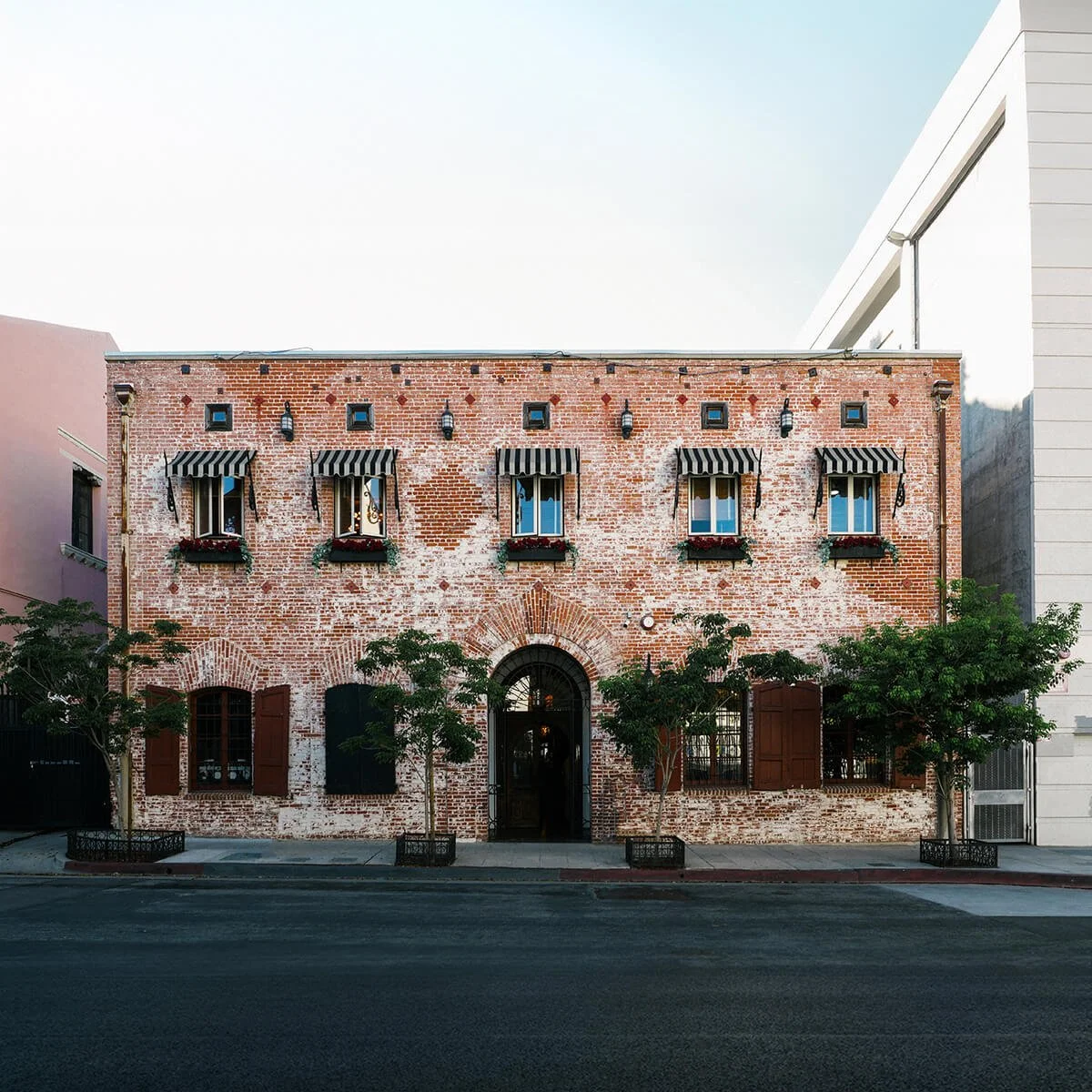
A simple guide to planning a civil wedding ceremony in Beverly Hills.